
Fixed-rate or Adjustable-rate Mortgages: Which One Offers Better Budget Security?
When you’re buying a home, one major choice you’ll need to make is between a fixed-rate mortgage and an adjustable-rate mortgage.
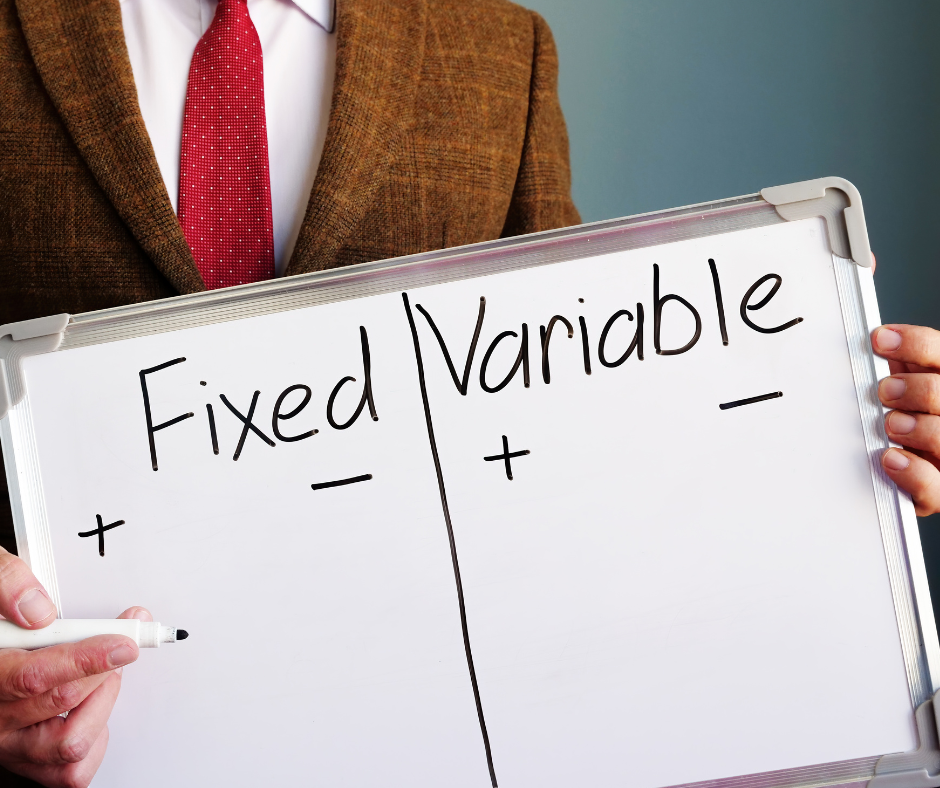
Though it might seem like a minor technicality, this decision can affect your monthly payments, your financial outlook over time, and even how secure you feel about your budget.
So, which option is safer? Let’s explore it simply, without jargon or hype, just straightforward comparisons to help you make a confident choice.
Fixed-rate vs adjustable-rate: what’s the difference?
Fixed-rate mortgages keep your interest rate steady throughout the entire loan period. Whether your loan lasts 15 or 30 years, your rate stays the same, regardless of market changes.
In contrast, adjustable-rate mortgages (ARMs) usually begin with a lower interest rate fixed for a specific time frame, often 5, 7, or 10 years. After this period, the rate changes periodically based on market trends, which means your monthly payments could fluctuate up or down over time.
How stability plays a role
If consistency is important to you, a fixed-rate mortgage often feels like the safer choice. Your monthly payments remain constant, making it simpler to budget and plan ahead—ideal if your income is steady or you intend to stay in your home for the long haul.
Adjustable-rate mortgages can be attractive initially because of their lower starting interest rates, especially when home prices are steep. However, once the fixed period ends, your interest rate might rise. For many borrowers, particularly those with tighter finances, this unpredictability can feel like a risk.

Mortgage financing
The 28/36 rule explained
How much house can you really afford?
LEARN MORE * You will remain on the current websiteWhen flexibility takes the lead
That said, adjustable-rate mortgages aren’t inherently “risky.” They can be a smart choice for buyers who expect to sell or refinance before the rate shifts. If you’re planning to move within a few years or anticipate your income increasing, an ARM might save you money upfront. However, it’s crucial to remember that interest rates can be unpredictable, and adjustments don’t always work in your favor.
Other important factors to consider
- Loan duration: your expected length of stay is key. Fixed rates often suit long-term owners, while ARMs may be better for shorter stays.
- Interest rate outlook: if rates are climbing, locking a fixed rate can bring stability. If rates are high now but expected to fall, an ARM might offer more leeway.
- Comfort with risk: some borrowers tolerate payment swings better than others. Assess your own risk tolerance before deciding.
Mortgage financing
Down payment assistance programs
Discover who qualifies and how to apply.
LEARN MORE * You will remain on the current websitePicking what feels right for you
There’s no universal answer when choosing between fixed-rate and adjustable-rate mortgages. Each has its advantages and drawbacks, fitting different borrower profiles. The important part is selecting the option that aligns best with your lifestyle, finances, and future plans.
Before making a decision, carefully crunch the numbers and consult a reliable mortgage expert. Being well-informed now can help you enjoy greater peace of mind and avoid unexpected issues down the road.
Understanding is the first step toward a safer mortgage
Ultimately, the safest mortgage is the one you fully understand. Whether you go with a fixed or adjustable rate, knowing how it works and how it fits your circumstances is crucial. So don’t hesitate to ask questions, take your time deciding, and focus on what truly suits you—not just what sounds appealing in theory.