
7 Red Flags to Recognize Predatory Lending Practices You Should Never Overlook
When you urgently need cash, it’s vital to understand how lending works to make smart choices.
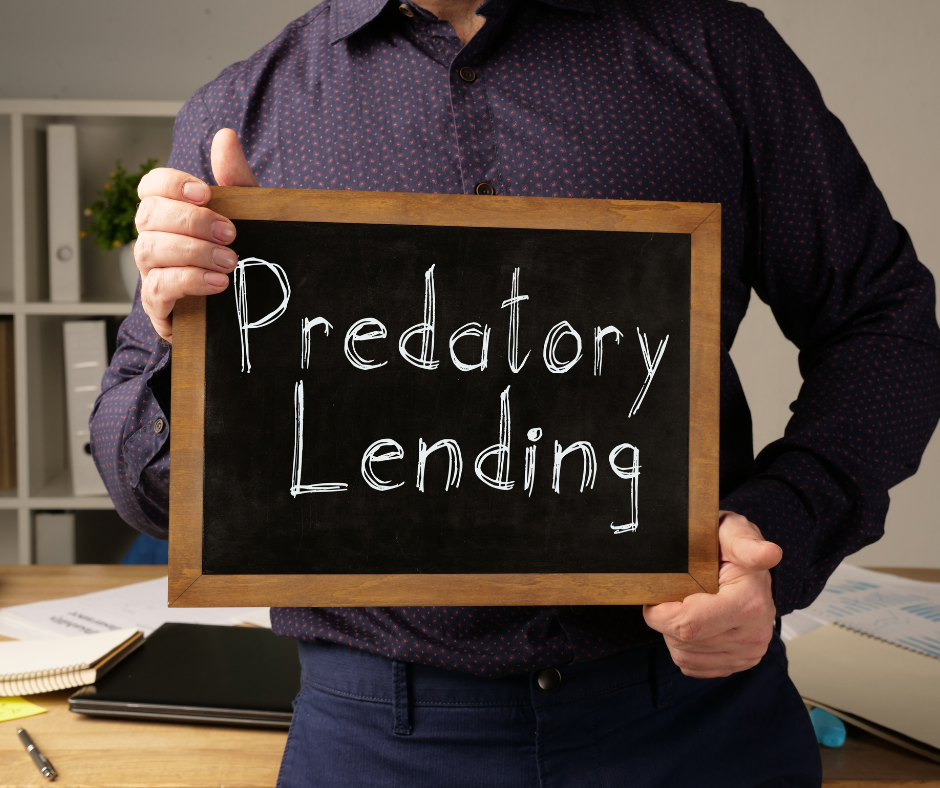
Sadly, not every lender plays by the rules. Some prey on those struggling financially, using misleading or exploitative methods. These tactics are called predatory lending practices and can lock you into a debt trap that’s tough to break free from.
This article will help you recognize these warning signs before you commit to any loan, so you can protect yourself with knowledge.
7 key signs to identify predatory lending
1. Extremely high interest rates
A clear warning sign is when the interest rate appears unbelievably high. While lenders must charge for risk, predatory ones push rates far past what’s reasonable. If the APR (Annual Percentage Rate) shocks you, it’s likely a red flag.
2. Hidden fees that are outrageously high
Some fees like processing or origination charges are standard for loans. But predatory lenders sneak in excessive and often hidden fees that can exceed the loan amount itself. Always scrutinize the fine print before agreeing.
3. Being rushed to sign without time
Trustworthy lenders give you enough time to go over the terms and ask questions. If someone pressures you to “sign right now” or insists the deal expires soon, that’s a big warning sign. These tactics usually hide dishonest motives.

Loans
Auto Loans Guide
Discover how to get the best interest rate.
LEARN MORE * You will remain on the current website4. No credit check? Stay cautious
Although skipping a credit check might seem like a perk, lenders who do this often compensate with hidden fees or sky-high interest rates. When a lender bypasses standard credit review, it’s not a favor—they’re likely setting you up for costly pitfalls.
5. Loan flipping
Loan flipping occurs when lenders persuade borrowers to refinance their loans repeatedly, adding new fees and stretching out the repayment timeline each time. This cycle causes you to owe much more than your original debt without actually improving your finances.
6. Bait-and-switch tactics
A lender may promote certain terms like low interest rates and manageable payments, but when it’s time to finalize the agreement, those terms unexpectedly shift. If the offer changes at the last minute, it’s best to back away.
7. Balloon payment traps
Certain loans offer low monthly installments but demand a huge lump-sum payment at the end, known as a balloon payment. These loans appear affordable at first but can lead to serious financial trouble later on.

Loans
How to Get a Loan With Bad Credit
Discover your best options.
LEARN MORE * You will remain on the current websiteStay alert and protected: guard yourself against predatory lending
Dealing with financial pressure is challenging enough without getting caught in a predatory loan. Spotting these warning signs early can help you avoid serious financial pitfalls down the road.
Follow these tips to stay safe:
- Research thoroughly: check lender ratings, verify licensing, and visit official financial watchdog sites.
- Read all details: don’t skip any fine print or contract terms.
- Ask clearly: honest lenders will openly clarify any questions about your loan.
- Listen to instincts: if something seems wrong, it probably is.
Being informed is your strongest shield
Borrowing money can feel confusing, especially when finances are tight. However, recognizing predatory lending tactics gives you the power to make smarter financial choices.
The better informed you become, the lower your chances of falling prey to unfair lending. Make sure to carefully review, compare options, and select lenders who value honesty and fairness.