
Reasons savings rates could be on the rise once more
Savings rates could be on the upswing once more. Discover how the Fed’s latest moves impact your finances and get tips on choosing the best high-yield savings accounts.
Heads up savers: savings rates might be set to rise soon
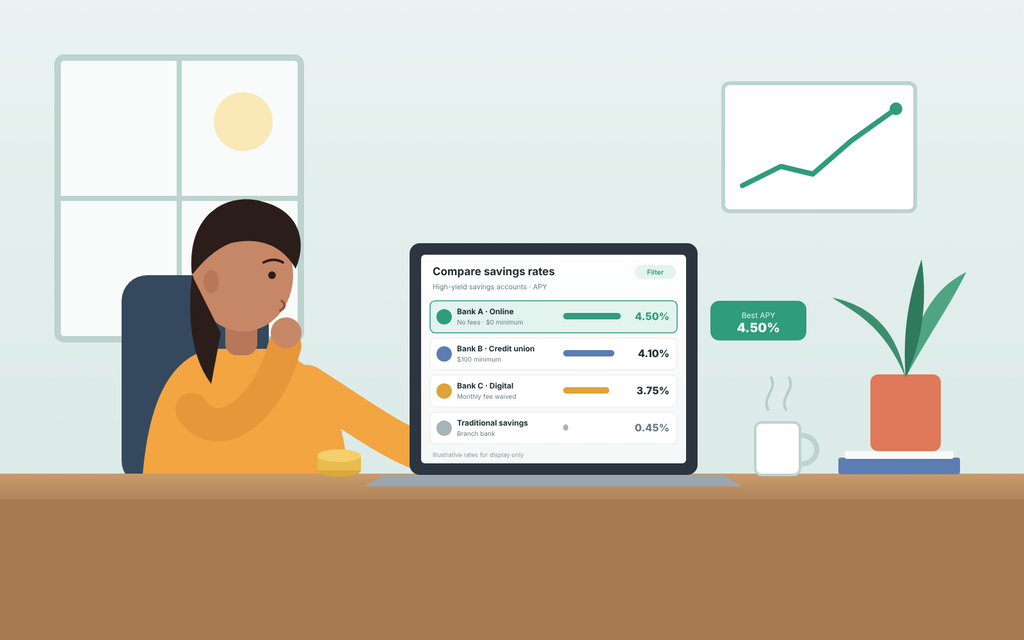
Is your savings account offering you a competitive interest rate? If you haven’t reviewed your APY lately, you might be missing out on higher earnings elsewhere.
Savings rates could rise again in 2026, opening up fresh chances for Americans eager to get more from their money.
However, keep in mind: higher interest rates don’t always mean every bank will increase what they pay you.
Here’s the essential info to consider before you make your next financial decision.
Reasons Savings Rates Could Increase Again
Several key elements affect savings rates, such as:
- Federal Reserve policies;
- Inflation levels;
- Bank competition;
- Demand for deposits.
In September 2026, the Fed increased its target interest rate range to 3.75% to 4.00%.
This is important because shifts in market interest rates often affect the rates banks offer on savings accounts.
That said, each bank determines its own rates for deposits.
A rise in the Fed’s rate doesn’t guarantee an increase in your savings account’s APY.
How the Federal Reserve’s Upcoming Decision Could Impact You
The Federal Reserve’s meeting on October 27–28, 2026, is a key moment for those tracking savings rates.
An October 20 Reuters survey revealed that most economists expect the Fed to keep rates unchanged in October, with a possible hike in December.
These are projections, not final decisions.
If rates increase once more, some banks might boost their savings yields, while others could keep their APYs steady.
Bottom line: Keep an eye on your account rather than expecting your bank to raise your rate automatically.
The Impact of Inflation on Your Savings
Earning more interest doesn’t always give you the full picture.
It’s important to factor in inflation as well.
According to an October report from the Associated Press, U.S. consumer inflation stood at 3.7% year over year in September 2026.
As prices increase, the value of your money effectively decreases.
For instance, an account offering 0.50% APY would fall short of matching 3.7% inflation before taxes.
Your savings might increase numerically, but its buying power could still be less than last year.
Factors That Could Push Savings Rates Upward
There are three key elements worth keeping an eye on.
1. Ongoing Inflation Pressure
If inflation stays above the Federal Reserve’s 2% goal, officials might maintain higher interest rates or even raise them further.
This scenario could prompt some banks to increase the rates they offer on savings accounts.
On the other hand, if inflation drops more quickly than anticipated, the reverse could occur.
2. Rivalry Among Banks
Banks vie to attract deposits from customers.
Offering high-yield savings accounts with appealing APYs is one method they use to draw in new clients.
This means you might find chances to earn more even if your current bank holds its rates steady.
Before making a switch, evaluate these factors:
- Annual percentage yield (APY);
- Monthly charges;
- Required minimum balances;
- Options for withdrawals and transfers;
- Account eligibility rules.
Make sure to verify the latest rate on the bank’s official site.
3. How Bank Funding Needs Influence Rates
Changes in Federal Reserve rates aren’t always passed on to customers immediately.
Some banks increase savings rates promptly, while others adjust rates more gradually or keep them steady.
Variable APYs can also be reduced by banks if market conditions shift.
Don’t rely on your bank to alert you to better rates; actively review and compare your options.
How to Respond When Savings Rates Climb Again
You don’t have to guess the Fed’s next move to make smarter decisions about your savings.
Begin by following these five essential steps.
1. Verify Your Current APY
Check your savings account details on your bank’s website or mobile app.
Pay attention to:
- Your current APY;
- Monthly service charges;
- Minimum balance rules;
- Terms tied to special promotional rates.
If your current account yields much less than other options, figure out how much you could gain by switching.
2. Explore High-Yield Savings Options
High-yield savings accounts can provide higher returns while still allowing easy access to your funds.
However, avoid basing your choice solely on the advertised APY.
Make sure to review fees, account criteria, and interest terms before you open an account.
3. Consider the Impact of Inflation and Taxes
Your APY doesn’t reflect your actual net gain.
For instance, if your savings yield 4.35% and inflation runs at 3.7%, your estimated real return before taxes would be about 0.65%, based on the simple difference between these rates.
Your earnings may shrink further once taxes are applied.
The IRS typically treats interest from bank accounts as taxable income, following relevant tax regulations.
4. Get Ready for Holiday Spending
October is an ideal time to revisit your budget before holiday shopping and travel costs start to pile up.
Think about dividing your savings into separate categories:
- Unexpected emergencies.
- Holiday expenses.
- Monthly household costs.
- Long-term savings goals.
Reserve funds you’ll need soon in an account that offers easy access when required.
It’s not very helpful to earn a marginally better rate if you can’t easily withdraw your funds when necessary.
Could Savings Rates Drop Instead?
It’s possible. Savings rates might decline even after they’ve been rising for some time.
Should inflation slow and the Fed lower interest rates, banks could respond by cutting APYs on accounts with variable rates.
Banks may also modify their rates independently, influenced by competitive pressures and their own funding requirements.
That’s why going after the highest advertised APY isn’t always the smartest move.
Focus instead on the overall benefits the account provides:
- Attractive returns.
- Minimal or no fees.
- Easy access to funds.
- Strong deposit protection.
- Transparent account terms.
Make your choices based on actual, confirmed rates—not on market forecasts or speculation.
Author’s Perspective
The prospect of higher savings rates is promising, but the real advantage lies in ensuring your funds are currently earning a competitive yield.
Many individuals keep their savings parked in the same account for years without ever verifying the APY they’re receiving.
This habit can result in losing out on hundreds of dollars in possible interest earnings.
Meanwhile, pursuing the highest advertised rate without checking fees or account terms may lead to avoidable complications.
Here’s my advice: review your current APY, compare offers from other banks, and ensure your funds stay accessible when you need them.
You don’t have to guess the Federal Reserve’s next step to make better choices for your savings.
Recommended content
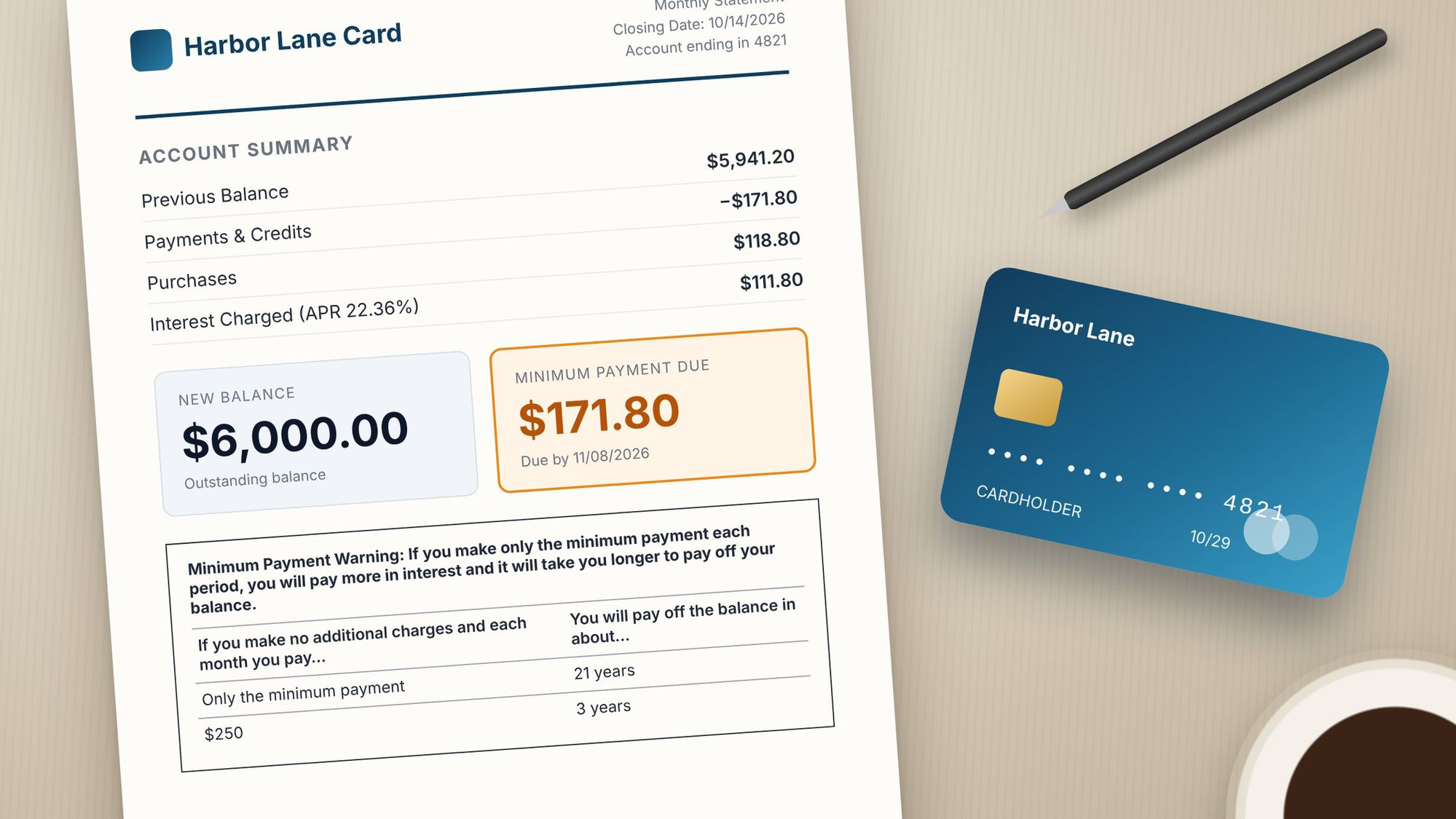
Why your minimum payment
Discover why your minimum payment reduces less credit card debt, how interest affects your balance, and what you can do to pay it off faster.
Continue Reading * You will remain on the current website