
Reasons Behind the Recent Increase in Your Card’s Interest Rate
Wondering why your credit card’s interest rate increased? Discover the usual reasons behind rate hikes, important regulations to be aware of, and practical tips to reduce the expense of carrying a balance.
What you should know about rising credit card interest rates
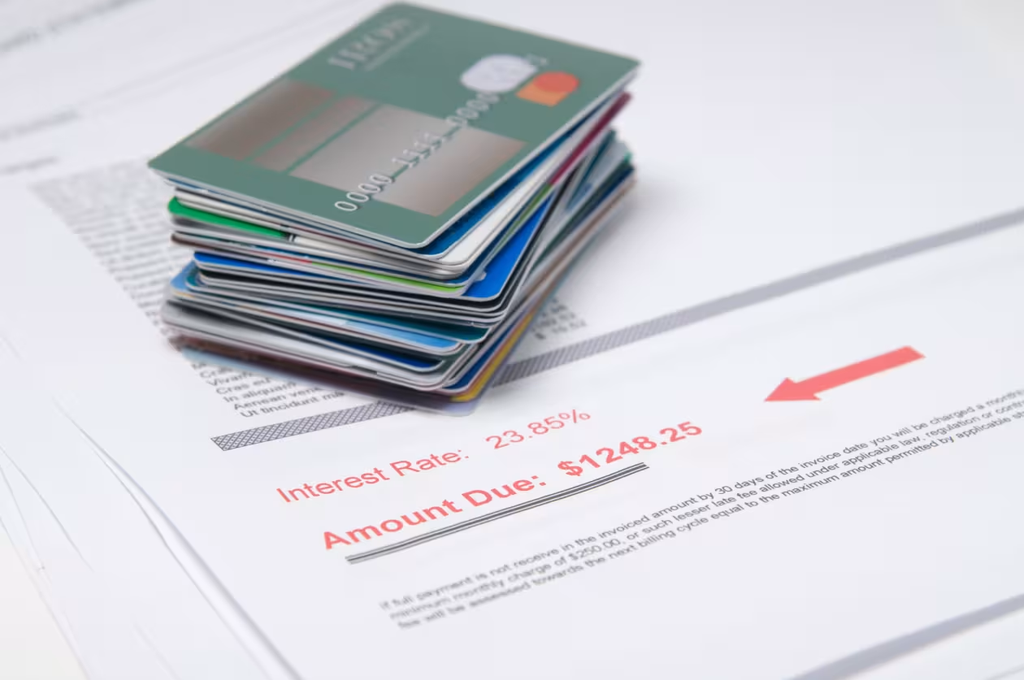
If your credit card’s interest rate suddenly jumps, it’s not just your imagination—and it doesn’t always mean your credit score has dropped.
There are several reasons credit card APRs fluctuate. Your card might have a variable APR linked to an index, a promotional interest rate could have ended, or missing a payment might have caused your rate to increase under certain conditions.
Plus, even a small rise in the interest rate on a revolving balance can make carrying debt noticeably more costly.
So if you saw your statement and wondered, “Why did my APR increase?”, here’s a look at what might be behind it—and what steps you can take next.
What Caused Your Credit Card Interest Rate to Increase?
There isn’t one universal reason why every cardholder experiences a rise in their APR. The key is to identify the kind of rate you have and what triggered the change in your account.
The most frequent reasons include:
- Your card has a variable APR and its underlying index increased;
- A promotional or introductory APR ended;
- You were more than 60 days late on a payment;
- Your card issuer changed the rate on new purchases after providing required notice;
- A special rate associated with a payment arrangement changed or ended.
The CFPB states that card issuers typically must give a 45-day advance warning before raising interest rates on new purchases after the account’s first year, though some exceptions and different rules may apply depending on the nature of the rate change.
Your Credit Card Interest Rate Could Be Variable
A major reason your card’s APR might change is because the rate is variable instead of fixed.
Typically, a variable credit card APR consists of a base index plus a set margin. When the index rises, your APR can go up as outlined in your card’s terms.
The CFPB points out that when the index linked to a variable rate—like the U.S. Prime Rate—increases, that’s a key situation where a card issuer can raise the APR on your current balance.
How the Federal Reserve Influences Your Credit Card APR
The Federal Reserve does not determine the APR that appears on your credit card statement.
Still, the Federal Reserve’s monetary policies can affect market interest rates and the benchmarks that lenders use.
In September 2026, the Federal Open Market Committee increased the federal funds target range by 0.25 percentage points, moving it to 3.75%–4.00%. The Fed noted that inflation remains above its 2% target.
This means that if your card has a variable APR, you should watch for Fed rate changes, though it doesn’t guarantee your APR will rise by the same amount.
How and when your APR adjusts depends on your card’s terms and the specific index it uses.
Your Credit Card Interest Rate May Increase Following a Missed Payment
Missing a payment doesn’t necessarily cause your APR to go up right away.
That said, the CFPB explains that a card issuer can raise the interest rate on existing balances if a minimum payment hasn’t been made within 60 days after the due date, following the rules that apply.
This highlights why it’s important to review your payment record before assuming the rate increase is due to Federal Reserve actions.
What Happens When You’re More Than 60 Days Late?
If your rate went up because you missed payments for over 60 days, there might be a way to restore your previous APR.
The CFPB notes that a rate hike caused by a payment overdue by more than 60 days can sometimes be reversed.
Because of this, it’s worth reviewing your account’s payment record before assuming the higher APR is permanent.
Your Promotional APR May Have Expired
Another frequent cause is simpler: the promotional APR term has ended.
For instance, a credit card may offer an introductory APR of 0% or a very low rate for a limited time. After this promotional period ends, the regular APR outlined in your cardholder agreement usually takes effect.
The CFPB points out that when a temporary rate—like a balance-transfer promo rate—expires, it’s one situation where the interest rate on an outstanding balance can change.
Can Credit Card Issuers Raise Your Interest Rate Without Prior Notice?
In most cases, card issuers must give advance notice before making major changes, bbut the specific requirements vary depending on the kind of rate increase involved.
The CFPB explains that credit card companies are generally required to provide at least 45 days’ notice before raising the interest rate on new purchases after the first year of the account.
There are notable exceptions, such as adjustments tied to variable rates and other specific situations.
Rules for existing balances are tighter. Typically, issuers can’t raise the rate on an outstanding balance unless certain conditions apply.
Key Details to Check on Your Card Statement
If your APR has changed, look through your statement or issuer notices for phrases like:
- Annual Percentage Rate (APR);
- Variable APR;
- Prime Rate;
- Effective date;
- Promotional rate expiration;
- Rate change notice.
The effective date is important because the new interest rate may not affect all existing charges on your account equally.
What Could a Higher Credit Card APR Cost You?
The cost depends on how large your balance is and how quickly you manage to pay it off.
According to Federal Reserve data from July 2026, the average interest rate charged on credit-card accounts was 22.15%.
To illustrate, here’s how the interest on a $5,000 balance changes at various APR levels:
This is a simplified example assuming the balance remains unchanged. Actual credit card interest varies based on the issuer’s daily balance calculations and payment timing.
The takeaway is clear: higher APRs and carrying a balance for longer both increase the overall cost of your debt.
The larger debt landscape highlights why this is important. According to the New York Fed, U.S. credit card debt hit $1.263 trillion in Q2 2026, rising by $21 billion from the prior quarter.
What You Should Do If Your Credit Card Interest Rate Goes Up
Before closing your card or moving the balance, make sure to review the details carefully.
Instead, follow these steps.
1. Understand Why Your APR Went Up
Contact the number on your card’s back or check the notice about the rate change.
Ask these questions:
If the customer service agent mentions the increase is linked to the Prime Rate, be sure to request the current index and margin used to set your APR.
2. Determine if Your Interest Rate Is Variable
Review the terms outlined in your card agreement.
When your APR is variable, changes tied to an index might explain why it went up. The CFPB highlights that rises in the underlying index can impact the rate on your existing balance.
3. Request a Lower APR from Your Card Issuer
There’s no harm in asking.
Try saying:
The CFPB points out that consumers might succeed in lowering their rates by reaching out to their card issuer, who is often required to review certain rate hikes periodically after notifying the customer.
4. Avoid Adding New Debt If Your Balance Is Increasing
Carrying a balance from month to month can become more challenging if you keep adding new purchases.
This is especially crucial now, as consumer revolving credit remains high. According to Federal Reserve data, outstanding revolving credit hit $1.357 trillion in July 2026.
Whenever possible, limit your card use to purchases you can pay off right away instead of letting a high-interest balance grow.
5. Weigh Balance Transfer Options Carefully
While a balance transfer can lower your interest charges, it’s important not to judge the offer based solely on the promotional APR.
Consider these factors:
- Balance transfer fees.
- Duration of the promo period.
- APR once the promo ends.
- If new purchases get the promo rate.
- If you can realistically pay off the balance before the promo expires.
A lower interest rate only helps if all terms actually lower your total borrowing costs.
Why This Is Especially Important in October 2026
October often brings higher expenses for many U.S. families.
Expenses like Halloween treats, autumn trips, home needs, and early holiday shopping can add extra charges to your credit card.
If you carry those costs into upcoming billing cycles, the APR becomes a much bigger factor.
October also brings a number of key economic reports.
The Bureau of Labor Statistics will release September CPI data on October 14, and the Federal Reserve’s next FOMC meeting is set for October 27–28.
Because of this, October is an ideal time to check your card’s terms before holiday spending picks up pace.
It’s important to also consider the wider consumer landscape.
The Conference Board revealed that U.S. consumer confidence dropped to 81.9 in September 2026, marking the third month in a row of declines amid worries over financial health, inflation, and job market conditions.
Put simply, if your budget is already stretched, carrying debt with a high APR can make an already tight month even costlier.
How Your Credit Card Interest Rate Relates to Your Credit Score
Having a higher APR doesn’t automatically mean your credit score has dropped sharply.
Several factors can influence how credit cards are priced, such as:
- The card’s underlying index or benchmark.
- The fixed margin set by the issuer.
- Expiration of any promotional rates.
- Your history of payments.
- Specific terms tied to your account.
Your credit score still plays a role when you apply for new credit, as lenders often review it to decide approval and set loan terms.
However, if your current card’s APR changed, don’t immediately blame your credit score—first check your cardholder notice and agreement.
When Should You Reach Out to Your Credit Card Issuer?
It’s a good idea to reach out to your card issuer if:
- Your APR went up and you don’t know why.
- You didn’t get the notice you expected.
- The rate doesn’t match your card agreement.
- Your promotional APR ended sooner than expected.
- You think a payment was wrongly marked late.
- You want to ask for a lower interest rate.
- You’re having trouble making minimum payments.
The CFPB recommends reaching out to your card issuer if you suspect your rate was raised in error.
If you can’t solve the issue with your issuer directly, you can file a complaint with the Consumer Financial Protection Bureau.
Opinião do autor
It’s easy to overlook a higher APR when you’re just focused on the total shown on your monthly bill.
Yet, the interest rate is frequently where the true expense of carrying a credit card balance becomes clear.
Here’s my advice: if your credit card’s interest rate goes up, don’t jump to the conclusion that you did something wrong, and don’t just accept the change without looking into it.
Begin by reviewing your statement. Identify the effective date, confirm if the APR is variable, and check for any promotional rate expirations or late payment triggers.
Given today’s circumstances, taking that extra step really pays off. Credit card debt remains over $1.2 trillion, Federal Reserve figures show average APRs above 22% for interest-bearing accounts, and many Americans are still coping with high inflation and financial stress.
Recommended Content
Credit card debt is draining you
Discover how personal loans can lower your costs, what rates look like post-Fed hike, and when it’s smart to switch.
Continue reading * You will remain on the current website